
Democratic AI represents a transformative approach in the design and implementation of artificial intelligence systems, emphasizing the integration of democratic principles to ensure that these technologies serve the collective interests of humanity. By focusing on human-centric mechanisms, Democratic AI seeks to align the development and deployment of AI with the values and needs of diverse communities, promoting transparency, accountability, and inclusivity. This approach advocates for participatory design processes, where stakeholders from various sectors collaborate to shape AI systems that are equitable and just. By prioritizing the voices and rights of individuals, Democratic AI aims to mitigate biases, enhance fairness, and foster trust in AI technologies, ultimately contributing to a more equitable digital future.
Understanding Democratic AI: Principles And Practices
Democratic AI represents a paradigm shift in the development and deployment of artificial intelligence systems, emphasizing the importance of human-centric mechanisms that prioritize inclusivity, transparency, and accountability. As AI technologies become increasingly integrated into various aspects of society, the need for democratic principles in their design and implementation becomes ever more critical. This approach seeks to ensure that AI systems serve the collective interests of humanity rather than a select few, thereby fostering a more equitable and just technological landscape.
At the core of democratic AI is the principle of inclusivity, which advocates for the involvement of diverse stakeholders in the AI development process. This includes not only technologists and policymakers but also representatives from various social, cultural, and economic backgrounds. By incorporating a wide range of perspectives, democratic AI aims to mitigate biases and ensure that the systems developed are reflective of the diverse needs and values of society. This inclusivity extends to the data used in training AI models, where efforts are made to ensure that datasets are representative and free from historical biases that could perpetuate existing inequalities.
In addition to inclusivity, transparency is a fundamental tenet of democratic AI. Transparency involves making the decision-making processes of AI systems understandable and accessible to all stakeholders. This can be achieved through the development of explainable AI models that provide insights into how decisions are made, as well as through open communication about the limitations and potential risks associated with AI technologies. By fostering transparency, democratic AI empowers individuals and communities to make informed decisions about the adoption and use of AI systems, thereby enhancing trust and accountability.
Accountability, another cornerstone of democratic AI, ensures that there are mechanisms in place to hold developers and deployers of AI systems responsible for their actions. This involves establishing clear guidelines and regulations that define the ethical and legal responsibilities of AI stakeholders. Moreover, accountability mechanisms should include avenues for redress in cases where AI systems cause harm or operate in ways that are inconsistent with democratic values. By embedding accountability into the fabric of AI development, democratic AI seeks to prevent misuse and promote the responsible use of technology.
Furthermore, democratic AI emphasizes the importance of participatory governance, where stakeholders are actively involved in shaping the policies and frameworks that govern AI technologies. This participatory approach can take various forms, such as public consultations, citizen assemblies, and collaborative policymaking processes. By engaging a broad spectrum of voices in the governance of AI, democratic AI ensures that the resulting policies are more robust, equitable, and aligned with the public interest.
In conclusion, democratic AI represents a holistic approach to the development and deployment of artificial intelligence systems, grounded in the principles of inclusivity, transparency, accountability, and participatory governance. By prioritizing these human-centric mechanisms, democratic AI seeks to create a technological landscape that is equitable, just, and reflective of the diverse needs and values of society. As AI continues to evolve and permeate various aspects of our lives, embracing democratic principles in its design and implementation will be crucial in ensuring that these technologies serve the greater good and contribute to a more inclusive and sustainable future.
Human-Centric Design In AI: Balancing Technology And Humanity
In the rapidly evolving landscape of artificial intelligence, the concept of human-centric design has emerged as a pivotal consideration, aiming to balance technological advancement with the intrinsic values and needs of humanity. As AI systems become increasingly integrated into various aspects of daily life, the importance of designing these systems with a focus on human welfare cannot be overstated. Democratic AI, a term that encapsulates the idea of creating AI systems that are accessible, equitable, and aligned with human values, is at the forefront of this movement. By prioritizing human-centric mechanisms, developers and policymakers can ensure that AI technologies serve to enhance, rather than undermine, the human experience.
To begin with, the essence of human-centric design in AI lies in its commitment to understanding and prioritizing the needs and values of people. This approach necessitates a deep engagement with diverse communities to gather insights into how AI can be tailored to support various human activities and aspirations. By incorporating feedback from a wide range of stakeholders, including those who are often marginalized or underrepresented, AI developers can create systems that are more inclusive and equitable. This participatory design process not only fosters trust but also ensures that AI technologies are more likely to be accepted and adopted by the communities they are intended to serve.
Moreover, the integration of ethical considerations into the design and deployment of AI systems is a critical component of human-centric design. As AI technologies have the potential to significantly impact societal structures and individual lives, it is imperative that they are developed with a strong ethical framework in mind. This involves addressing issues such as privacy, bias, and accountability, which are crucial to maintaining public trust and ensuring that AI systems do not perpetuate existing inequalities or create new forms of discrimination. By embedding ethical principles into the core of AI development, designers can create systems that are not only technologically advanced but also socially responsible.
In addition to ethical considerations, the transparency and explainability of AI systems are vital aspects of human-centric design. As AI algorithms become more complex, it is essential that their decision-making processes are transparent and understandable to users. This transparency allows individuals to make informed decisions about how they interact with AI systems and provides a mechanism for holding these systems accountable. Furthermore, explainability helps to demystify AI technologies, making them more accessible to non-experts and fostering a greater sense of agency among users.
Transitioning from design to implementation, the deployment of democratic AI systems requires a collaborative effort between technologists, policymakers, and society at large. Policymakers play a crucial role in establishing regulatory frameworks that promote the development and use of human-centric AI. These frameworks should encourage innovation while safeguarding public interest, ensuring that AI technologies are developed in a manner that aligns with societal values and priorities. Additionally, ongoing dialogue between AI developers and the communities they serve is essential to continuously refine and improve AI systems, ensuring they remain relevant and beneficial.
In conclusion, the pursuit of democratic AI through human-centric design is a multifaceted endeavor that seeks to harmonize technological progress with human values. By prioritizing inclusivity, ethical considerations, transparency, and collaboration, AI systems can be designed to enhance human well-being and contribute positively to society. As we continue to navigate the complexities of AI integration, it is imperative that we remain committed to these principles, ensuring that technology serves as a tool for empowerment rather than a source of division.
Ethical Considerations In Democratic AI Development
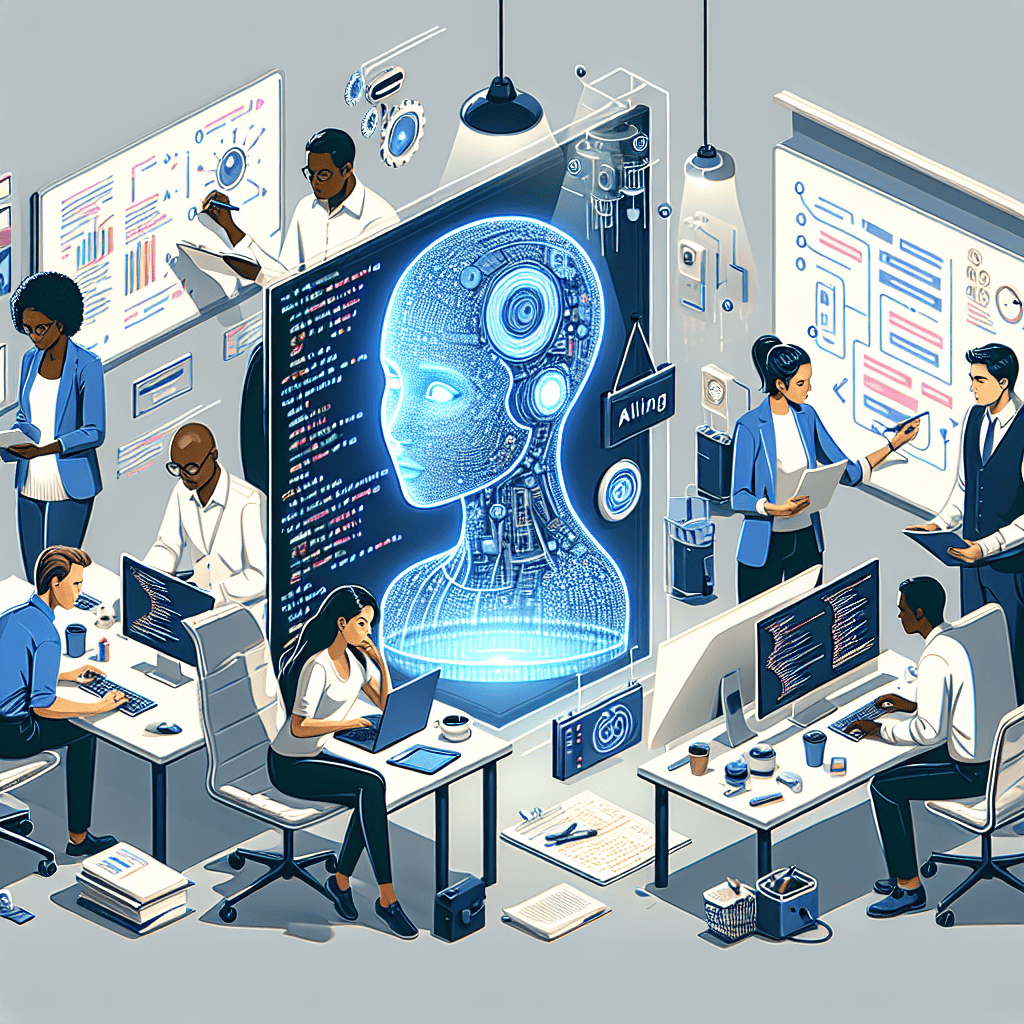
In the rapidly evolving landscape of artificial intelligence, the concept of democratic AI has emerged as a pivotal area of focus, particularly concerning ethical considerations. Democratic AI refers to the development and deployment of AI systems that prioritize human-centric values, ensuring that these technologies serve the broader interests of society rather than a select few. As AI systems become increasingly integrated into various aspects of daily life, the ethical implications of their design and implementation demand careful scrutiny. This necessitates a comprehensive approach to ensure that AI technologies are developed in a manner that is both inclusive and equitable.
To begin with, one of the primary ethical considerations in democratic AI development is the need for transparency. Transparency in AI systems is crucial for fostering trust among users and stakeholders. By making the decision-making processes of AI systems more understandable and accessible, developers can help demystify the technology, thereby reducing the potential for misuse or misunderstanding. This transparency is not only about revealing how AI systems function but also about clarifying the intentions behind their deployment. Consequently, developers must engage in open dialogues with diverse communities to ensure that AI systems align with societal values and expectations.
Moreover, accountability is another critical ethical consideration in the realm of democratic AI. As AI systems increasingly influence decision-making processes in areas such as healthcare, finance, and law enforcement, it is imperative to establish clear lines of accountability. This involves identifying who is responsible for the outcomes generated by AI systems and ensuring that there are mechanisms in place to address any negative consequences. By instituting robust accountability frameworks, developers can help mitigate the risks associated with AI technologies and promote a culture of responsibility.
In addition to transparency and accountability, fairness is a fundamental ethical principle that must be integrated into the design of democratic AI systems. AI technologies have the potential to perpetuate existing biases or even introduce new ones if not carefully managed. Therefore, it is essential to implement strategies that actively identify and mitigate bias in AI algorithms. This can be achieved through diverse data collection practices, inclusive testing procedures, and ongoing monitoring of AI systems to ensure they operate equitably across different demographic groups. By prioritizing fairness, developers can help prevent discrimination and promote social justice.
Furthermore, the ethical development of democratic AI necessitates a focus on privacy and data protection. As AI systems often rely on vast amounts of personal data to function effectively, safeguarding this information is paramount. Developers must implement stringent data protection measures to prevent unauthorized access and ensure that individuals’ privacy rights are respected. This includes adopting privacy-by-design principles, which integrate privacy considerations into every stage of the AI development process. By doing so, developers can help build AI systems that respect individual autonomy and protect sensitive information.
In conclusion, the ethical considerations in democratic AI development are multifaceted and require a holistic approach to address effectively. By prioritizing transparency, accountability, fairness, and privacy, developers can create AI systems that are not only technologically advanced but also aligned with human-centric values. As AI continues to shape the future, it is imperative that these ethical principles guide its development, ensuring that AI technologies contribute positively to society and uphold the democratic ideals that underpin our collective progress.
Case Studies: Successful Implementation Of Democratic AI
In recent years, the concept of democratic AI has gained significant traction, emphasizing the importance of designing artificial intelligence systems that prioritize human-centric mechanisms. This approach seeks to ensure that AI technologies are developed and implemented in ways that align with democratic values, such as transparency, accountability, and inclusivity. To illustrate the successful implementation of democratic AI, several case studies provide valuable insights into how these principles can be effectively integrated into AI systems.
One notable example is the participatory design process employed by the city of Barcelona in developing its AI-driven urban planning tools. Recognizing the potential of AI to transform urban environments, city officials prioritized citizen engagement from the outset. Through a series of workshops and public consultations, residents were invited to contribute their perspectives and concerns regarding the use of AI in urban planning. This collaborative approach not only fostered trust between the city and its inhabitants but also ensured that the AI tools developed were reflective of the community’s needs and values. As a result, the AI systems implemented in Barcelona have been praised for their ability to enhance urban living while respecting the democratic principles of transparency and inclusivity.
Transitioning to another successful case, the European Union’s AI4EU initiative serves as a prime example of how democratic AI can be fostered on a larger scale. This project aims to create a comprehensive AI ecosystem that supports collaboration among various stakeholders, including researchers, policymakers, and industry leaders. By facilitating open dialogue and knowledge sharing, AI4EU has established a framework that encourages the development of AI technologies aligned with European values. Furthermore, the initiative emphasizes the importance of ethical guidelines and regulatory frameworks to ensure that AI systems are accountable and transparent. Through these efforts, AI4EU has demonstrated how democratic AI can be effectively implemented across diverse sectors, promoting innovation while safeguarding fundamental rights.
In addition to these large-scale initiatives, smaller-scale projects have also successfully integrated democratic AI principles. For instance, the AI-based decision-making system developed by the Finnish company Reaktor is designed to enhance workplace inclusivity. By leveraging AI to analyze employee feedback and identify potential biases in decision-making processes, Reaktor has created a tool that empowers employees and promotes a more equitable work environment. This case highlights the potential of democratic AI to address social challenges and foster inclusivity within organizations.
Moreover, the implementation of democratic AI is not limited to public and private sectors; it also extends to academia. The University of Helsinki’s Elements of AI course exemplifies how educational institutions can contribute to the democratization of AI knowledge. By offering a free online course accessible to anyone interested in learning about AI, the university has empowered individuals from diverse backgrounds to engage with AI technologies. This initiative not only promotes digital literacy but also encourages public participation in discussions surrounding AI ethics and governance.
In conclusion, these case studies underscore the potential of democratic AI to transform various sectors by prioritizing human-centric mechanisms. Through participatory design processes, collaborative initiatives, and educational efforts, democratic AI can be successfully implemented to align with democratic values. As AI continues to evolve, it is imperative that stakeholders remain committed to these principles, ensuring that AI technologies serve the greater good and contribute to a more equitable and inclusive society.
Challenges And Solutions In Designing Human-Centric AI Mechanisms
The development of artificial intelligence (AI) has ushered in a new era of technological advancement, promising to revolutionize industries and transform everyday life. However, as AI systems become increasingly integrated into society, the challenge of designing human-centric mechanisms that prioritize democratic values and ethical considerations becomes paramount. The complexity of this task lies in balancing technological innovation with the need to safeguard human rights, privacy, and autonomy. To address these challenges, it is essential to explore both the obstacles and potential solutions in creating AI systems that are aligned with human-centric principles.
One of the primary challenges in designing human-centric AI mechanisms is ensuring transparency and accountability. AI systems often operate as “black boxes,” making decisions based on complex algorithms that are not easily understood by humans. This opacity can lead to a lack of trust and accountability, particularly when AI systems are used in critical areas such as healthcare, law enforcement, and finance. To overcome this, developers must prioritize transparency by designing AI systems that can explain their decision-making processes in a way that is comprehensible to users. This involves creating algorithms that are not only accurate but also interpretable, allowing stakeholders to understand how decisions are made and to hold systems accountable for their actions.
In addition to transparency, the issue of bias presents a significant challenge in the development of human-centric AI. AI systems are trained on large datasets, which can inadvertently reflect and perpetuate existing societal biases. This can result in discriminatory outcomes, particularly for marginalized groups. To mitigate this risk, it is crucial to implement rigorous bias detection and mitigation strategies throughout the AI development process. This includes diversifying training datasets, employing fairness-aware algorithms, and continuously monitoring AI systems for biased behavior. By addressing bias proactively, developers can create AI systems that promote equity and inclusivity.
Furthermore, the integration of AI into society raises concerns about privacy and data security. AI systems often require vast amounts of personal data to function effectively, which can lead to potential breaches of privacy if not managed properly. To protect individual privacy, developers must implement robust data protection measures, such as encryption and anonymization techniques, to ensure that personal information is safeguarded. Additionally, adopting privacy-by-design principles can help embed privacy considerations into the core architecture of AI systems, thereby minimizing the risk of data misuse.
Moreover, the rapid pace of AI development necessitates the establishment of ethical guidelines and regulatory frameworks to govern its use. Policymakers, technologists, and ethicists must collaborate to create comprehensive regulations that address the ethical implications of AI, ensuring that these technologies are used responsibly and for the benefit of all. This includes setting standards for AI deployment, establishing mechanisms for oversight and enforcement, and promoting public engagement to ensure that diverse perspectives are considered in the decision-making process.
In conclusion, while the challenges of designing human-centric AI mechanisms are significant, they are not insurmountable. By prioritizing transparency, addressing bias, safeguarding privacy, and establishing ethical guidelines, it is possible to create AI systems that align with democratic values and serve the interests of humanity. As AI continues to evolve, it is imperative that stakeholders remain vigilant and committed to developing technologies that enhance human well-being and uphold the principles of fairness, accountability, and inclusivity. Through collaborative efforts and a steadfast commitment to ethical innovation, the promise of democratic AI can be realized, paving the way for a future where technology and humanity coexist harmoniously.
The Future Of Democratic AI: Trends And Innovations
As the world becomes increasingly interconnected and reliant on technology, the development of artificial intelligence (AI) systems that align with democratic values has emerged as a critical area of focus. Democratic AI, which emphasizes transparency, accountability, and inclusivity, seeks to ensure that AI technologies serve the public good and reflect the diverse needs of society. This approach is gaining traction as stakeholders recognize the potential of AI to both enhance and undermine democratic processes. Consequently, the future of democratic AI is being shaped by several key trends and innovations that aim to create human-centric mechanisms.
One of the most significant trends in democratic AI is the push for greater transparency in AI systems. As AI technologies become more complex, understanding how they make decisions is crucial for ensuring accountability. Researchers and developers are increasingly focusing on creating explainable AI models that allow users to comprehend the decision-making processes of these systems. By providing insights into how AI algorithms function, stakeholders can better assess their fairness and reliability. This transparency is essential for building trust between AI systems and the public, as it enables individuals to understand and challenge AI-driven decisions that may impact their lives.
In addition to transparency, inclusivity is a cornerstone of democratic AI. Ensuring that AI systems are designed with diverse perspectives in mind is vital for preventing biases that could perpetuate existing inequalities. To address this, there is a growing emphasis on involving a wide range of stakeholders in the AI development process, including underrepresented groups. By incorporating diverse viewpoints, developers can create AI systems that are more equitable and reflective of the broader society. This inclusive approach not only helps to mitigate bias but also fosters innovation by drawing on a rich tapestry of experiences and ideas.
Moreover, the integration of ethical considerations into AI design is becoming increasingly important. As AI systems are deployed in various sectors, from healthcare to criminal justice, the ethical implications of their use cannot be overlooked. Developers are now prioritizing the establishment of ethical guidelines and frameworks that guide the responsible development and deployment of AI technologies. These frameworks often emphasize principles such as fairness, privacy, and accountability, ensuring that AI systems are aligned with democratic values. By embedding ethics into the core of AI design, developers can create systems that respect human rights and promote social good.
Another innovation shaping the future of democratic AI is the development of participatory mechanisms that empower individuals to have a say in how AI systems are used. This can take the form of public consultations, citizen assemblies, or collaborative platforms that allow people to contribute to AI policy-making and governance. By involving citizens in these processes, democratic AI initiatives can ensure that the deployment of AI technologies aligns with public values and priorities. This participatory approach not only enhances the legitimacy of AI systems but also strengthens democratic institutions by fostering civic engagement and dialogue.
In conclusion, the future of democratic AI is being defined by a commitment to transparency, inclusivity, ethics, and participation. As these trends and innovations continue to evolve, they hold the potential to create AI systems that are not only technologically advanced but also deeply aligned with democratic principles. By prioritizing human-centric mechanisms, stakeholders can harness the power of AI to enhance democratic processes and promote a more equitable and just society. As we move forward, it is imperative that we remain vigilant in our efforts to ensure that AI technologies serve the collective interests of humanity, rather than a select few.
Q&A
1. **What is Democratic AI?**
Democratic AI refers to artificial intelligence systems designed to align with democratic values, emphasizing transparency, accountability, and inclusivity in decision-making processes.
2. **Why is human-centric design important in AI?**
Human-centric design ensures that AI systems prioritize human needs, values, and ethical considerations, leading to more equitable and beneficial outcomes for society.
3. **How can AI systems be made more transparent?**
AI systems can be made more transparent by providing clear explanations of their decision-making processes, making their data sources and algorithms accessible for review, and ensuring stakeholders understand how outcomes are determined.
4. **What role does accountability play in Democratic AI?**
Accountability in Democratic AI involves establishing mechanisms for monitoring AI systems, holding developers and operators responsible for their impacts, and providing avenues for redress in cases of harm or bias.
5. **How can inclusivity be achieved in AI design?**
Inclusivity can be achieved by involving diverse stakeholders in the design process, considering the needs of marginalized groups, and ensuring AI systems do not perpetuate existing biases or inequalities.
6. **What are some challenges in implementing Democratic AI?**
Challenges include balancing transparency with privacy, addressing biases in data and algorithms, ensuring equitable access to AI technologies, and navigating complex regulatory and ethical landscapes.Democratic AI focuses on creating systems that prioritize human values, inclusivity, and fairness in decision-making processes. By integrating diverse perspectives and fostering collaboration between humans and machines, it aims to develop AI mechanisms that are transparent, accountable, and aligned with societal needs. This approach seeks to empower individuals and communities, ensuring that AI technologies serve the broader public interest and contribute to equitable outcomes. Ultimately, Democratic AI aspires to build trust and legitimacy in AI systems by embedding democratic principles into their design and operation.